| Category | Shoulder Instability |
About Shoulder
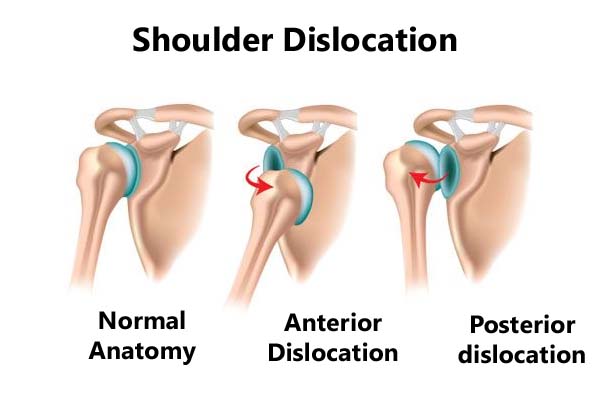
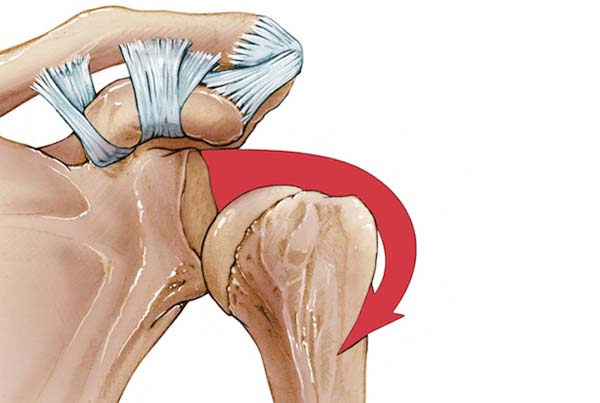
The shoulder joint is a ball and socket joint formed by arm bone(humerus) and the shoulder blade(scapula). Due to its peculiar anatomy, the shoulder joint has a 360-degree range of motion, the maximum for a joint in the human body. However, with this mobility, there is a tendency for instability.
Shoulder Dislocation
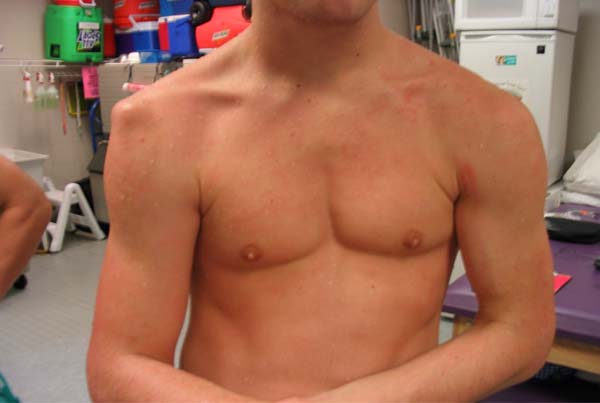
First-time shoulder dislocation occurs due to trauma, fall, or in young athletes while playing contact sports or sports involving overhead movement/ throwing activity. Shoulder dislocation causes tears/damage in ligaments and soft tissues in and around the shoulder. These tears predispose the shoulder to repeated episodes of dislocation(Recurrent shoulder dislocation) even with a lesser degree of trauma/overhead activities. In athletes, it leads to a decrease in performance. Repeated episodes of dislocation further damage the soft tissues and cause bone loss too.
Diagnosis
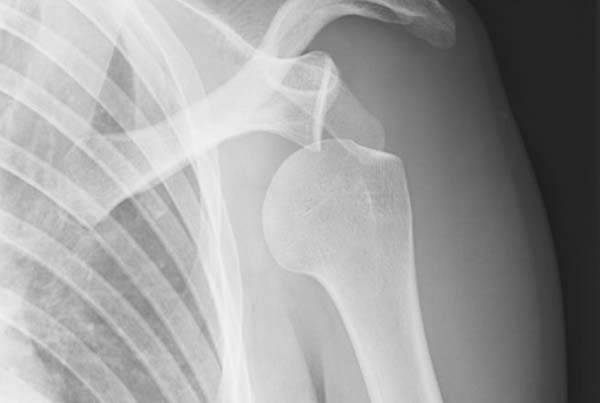
Recurrent shoulder dislocation can be easily diagnosed in a sports clinic on basis of the typical history and clinical examination. The clinical diagnosis is confirmed radiologically by an MRI scan. MRI scans reveal a tear of the anterior glenoid labrum (Bankart Lesion) and a Hill Sach’s lesion on the humeral head. A CT scan may also be needed to assess the Glenoid bone loss.
Treatment
Recurrent shoulder dislocation requires surgical treatment. Most of the time an Arthroscopic procedure ( Bankart repair) is adequate. Sometimes an open procedure might be required ( Latarjet procedure).
Surgical Procedure
Arthroscopic Bankart repair involves repairing the torn anterior glenoid labrum using special instruments and suture anchors(implants). Some additional procedures like Remplissage may be required in a few cases. However, if the glenoid bone loss is substantial, then an open Latarjet procedure is performed, which involves transferring a small part of the coracoid process/ bone to the anterior glenoid.
Post-Operative Recovery
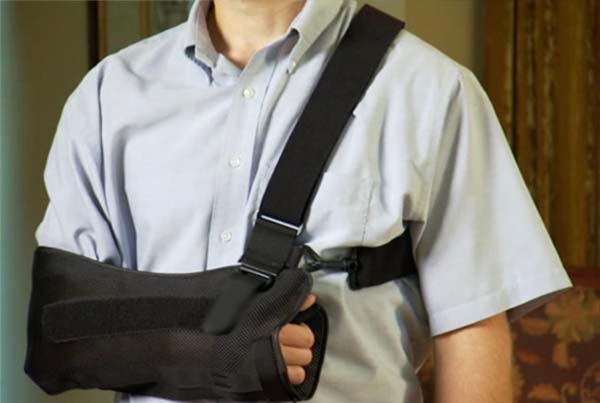
An arm pouch sling is needed for initial 4-6 weeks. Gentle passive mobilization of the shoulder is started from 2 wks onwards. Active exercises are started at 6 wks post-surgery. Gradually range of motion and muscle strengthening exercises are started. Return to play takes around 7-8 months.