| Category | ACL Arthroscopy |
About ACL
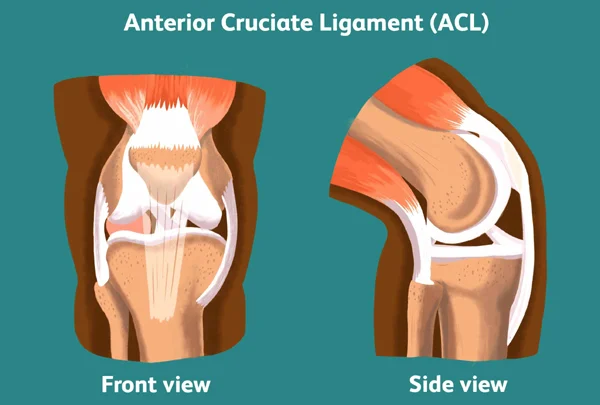
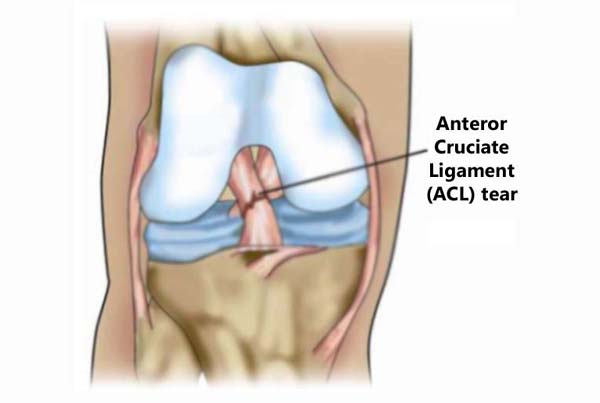
ACL is one of the major ligaments of the knee joint. It prevents forward/ anterior displacement of the tibia (leg bone) over the femur (thigh bone) and also provides rotational stability. It is one of the most commonly injured ligaments of the knee joint.
ACL Injury
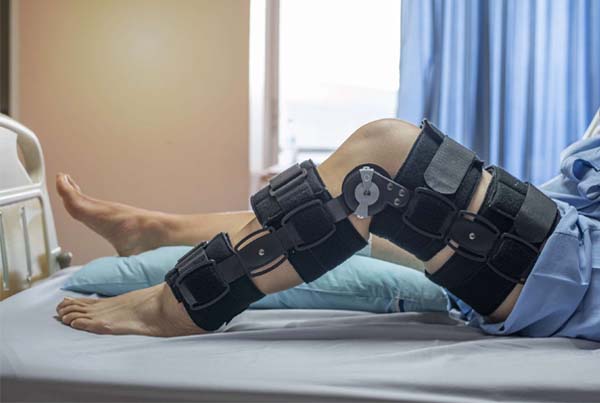
ACL injury occurs due to twisting injuries of the knee while playing, falls, road traffic accidents, knee dislocations. It is a very common knee injury in wrestlers, kabaddi, hockey, football players, and all other sports involving sudden change in direction while running.
Symptoms
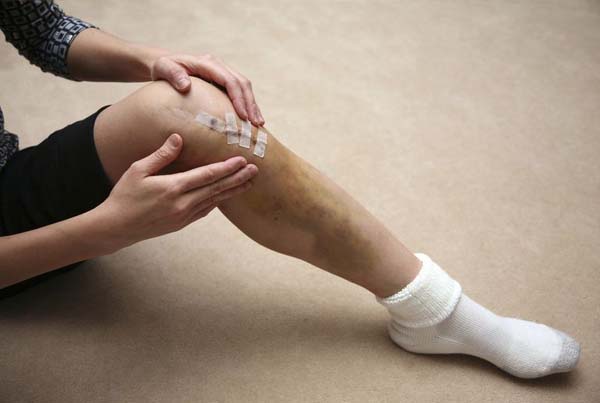
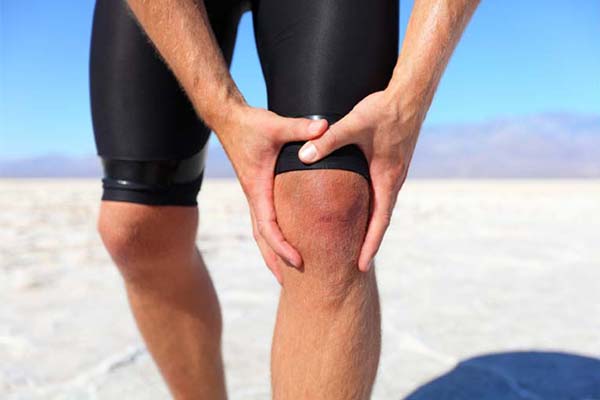
Immediately after an ACL injury, the patient complains of a painful, swollen knee with the inability to bend the knee. After a few days, the pain and swelling subside but the patient complains of instability while walking, jumping, climbing downstairs, playing sports. This leads to a loss of confidence on the knee and the inability of an athlete to perform/compete at their pre-injury level.
Diagnosis
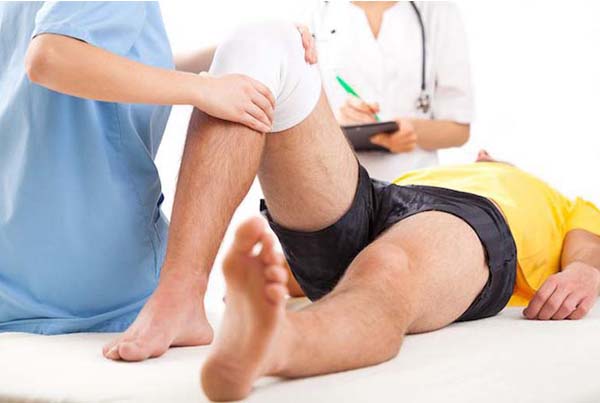
ACL tear can be diagnosed in a sports clinic by a sports injury specialist by performing a variety of clinical tests. Clinical diagnosis is confirmed radiologically by an MRI scan of the knee. A grade 3 tear reported in an MRI is a complete tear, while grade 2 or grade 1 tear is partial tears.
Treatment
A complete ACL tear (grade 3) is treated by surgical management in symptomatic, young, active patients. Athletes and people ages below 50 years do very well with surgical treatment.
Why Surgery?
The human body is unable to repair a torn ACL by itself. In a knee with torn ACL, repeated episodes of instability cause further damage to the meniscus, articular cartilage as well as other ligaments of the knee. These changes may predispose to early-onset osteoarthritis.
Timing of Surgery
A patient should get operated on for his/her torn ACL as soon as the knee pain and swelling subsides and the knee range of motion improves to 110-120 degrees. This usually takes a few days to weeks post-injury. Delay in surgery might lead to unwanted damage to articular cartilage, meniscus, and other ligaments.
Surgical Procedure
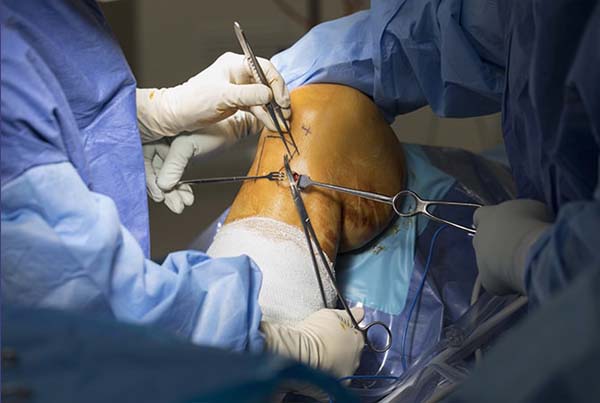
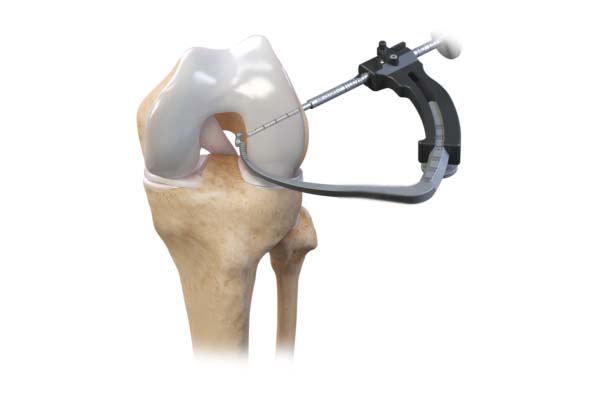
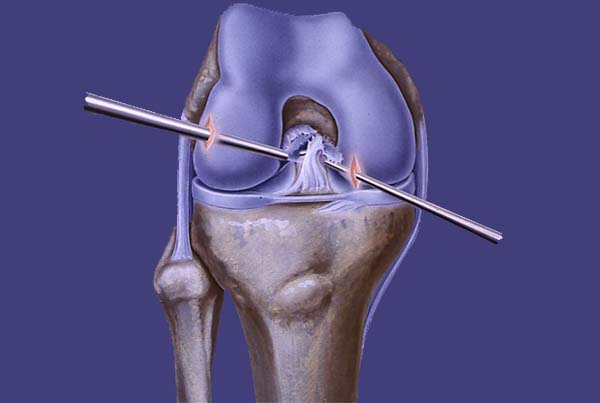
Arthroscopic reconstruction of ACL is the gold standard procedure for complete ACL tears. Tendons from the patient's own body (graft) are used in this procedure. Most commonly hamstrings or BTB (bone-patellar tendon-bone) grafts are used. After harvesting these grafts, they are prepared and fixed to the femur and tibia using special screws/buttons. This requires the drilling of small tunnels in both bones.
Post-Operative Rehabilitation
A patient walks the day after surgery. With the help of a specialized formulated post-op rehabilitation regimen, knee bending and muscle strengthening are promoted. Stair climbing is achieved at 3-4 weeks, running at 14-16 wks and return to competitive sports at 6 -7 months.